Why Gentle Bodywork Can Matter During the Trauma Recovery Process
Trauma can stay in the body long after the event has passed. Tight muscles, poor sleep, stress, and a sense of being on edge may affect daily life. Trauma Release Massage Therapy offers a gentle way to bring more calm to the body through touch, slow pressure, and focused care. It is not about forcing the body to change. Instead, the aim is to create a safe space where the person can notice tension, breathe, and relax at their own pace. Each session can feel different, because everybody carries stress in its own way.

Understanding The Body After Trauma
Trauma may change how a person feels inside their own body. Some people hold tension in the jaw, neck, shoulders, back, or hips without noticing it at first. Others may feel restless or find it hard to settle down. Bodywork can help bring attention to these areas in a calm setting. Gentle touch may also support a greater sense of comfort during a session. The process should never feel rushed. A skilled therapist listens, checks in, and adjusts pressure based on how the client feels from one moment to the next.
How Gentle Massage Supports Relaxation
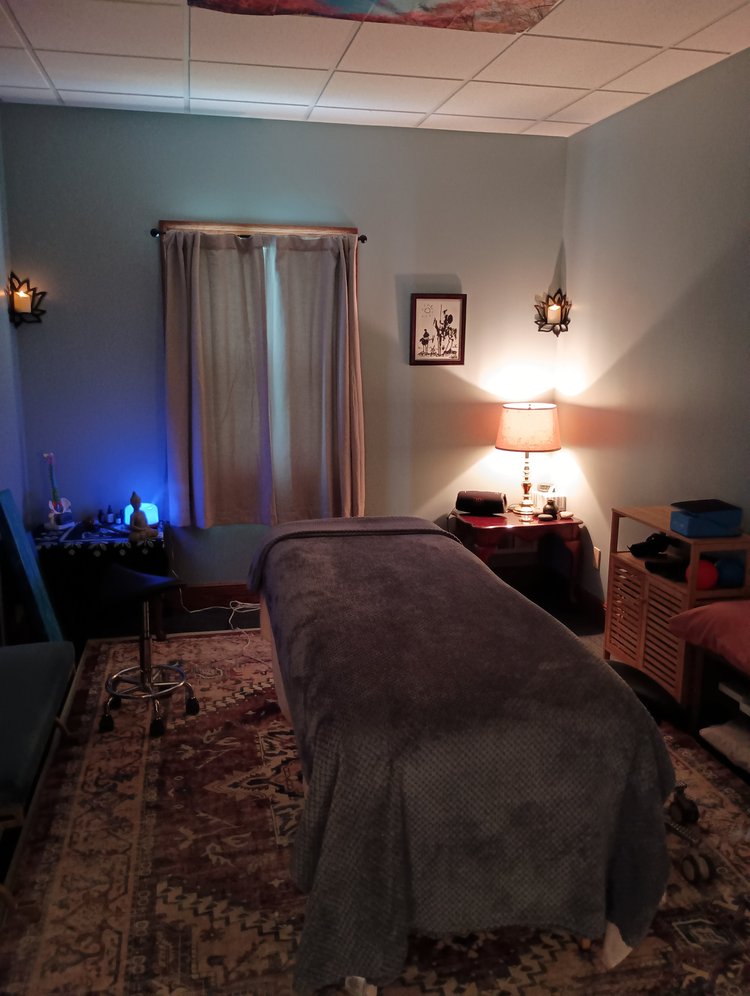
Relaxation is a key part of bodywork after long periods of stress. Slow massage may help the body move away from constant tension and toward a calmer state. Breathing can become easier. Muscles may soften. Even small changes can feel useful when the body has been holding stress for a long time. Trauma Therapy Massage focuses on this gentle approach rather than strong pressure or quick movements. The goal is comfort, not discomfort. A quiet room, steady touch, and clear communication can make the session feel more grounded and easier to manage.
Why A Slow Approach Matters
A slow approach gives the body time to respond. Fast or deep pressure is not always needed, especially when someone feels sensitive or tense. Gentle work allows the therapist to notice changes in muscle tone and adjust the session as needed. This can make the experience more comfortable and personal. There may be quiet moments too. That is perfectly fine. Some clients may want to talk, while others may prefer silence. Good bodywork leaves room for both. The client should always have a say in pressure, pace, position, and what feels right.
Building A Sense Of Body Awareness
Body awareness can be useful during recovery because stress is not always easy to notice. A person may become used to tight shoulders, shallow breathing, or a clenched jaw and see these signs as normal. Massage can create a pause from that routine. During a session, clients may notice where they hold tension and how their body reacts to touch. There is no need to force a result. Small moments of awareness can matter. Over time, this attention may help a person understand their own physical signals with greater ease and patience.
Choosing Care That Feels Safe
Finding the right therapist matters when trauma is part of the picture. Comfort, trust, clear boundaries, and honest communication should come first. Clients should feel free to explain what they need before the session begins. They can also ask for less pressure, a pause, or a change at any point. Good care respects those choices without judgment. Trauma-informed massage should not promise to erase trauma or replace mental health care. It can simply be one supportive part of a wider wellness plan, alongside suitable professional guidance when needed.
Making Bodywork Part Of Wellness
Bodywork can be one small piece of a larger self-care routine. Rest, movement, healthy meals, time outdoors, and support from trusted people can all matter too. Massage may offer a quiet break when life feels full or the body feels tense. Regular sessions are not right for everyone, and there is no single schedule that works for all clients. Paying attention to how the body feels before and after each session can help guide future choices. The main goal is simple: create more comfort, awareness, and space for the body to settle.
Conclusion
Trauma recovery is personal, and the body may need time, patience, and care along the way. Gentle bodywork can offer a calm setting where clients can slow down and notice what their bodies are saying. It should never replace proper mental health support, but it may work well alongside it. The Waking Space, wakingspace.org, takes a thoughtful approach to bodywork that gives attention to comfort, communication, and individual needs. With the right pace and clear boundaries, massage can become a quiet part of a wider routine focused on relaxation, awareness, and steady self-care.


Comments
Post a Comment