How Myofascial Release for Trauma Works During a Trauma Therapy Massage
Deep tension builds up quietly inside muscle layers after heavy emotional shocks happen. Traditional bodywork often pushes too hard and triggers defensive muscle guarding. That is why Myofascial Release for Trauma offers a much gentler approach. Slow, sustained pressure helps connective tissue soften without causing pain. People experience profound physical shifts when their nervous system feels entirely secure. Every session honors personal boundaries while unlocking stubborn holding patterns stored deep within the body.
Understanding Connective Tissue
Fascia wraps around every single muscle fiber like a tight web inside your torso. Physical injuries or chronic stress cause this web to bunch up very tightly. Standard stretches cannot always penetrate those deep adhesive layers effectively during ordinary visits. Gentle stretching invites the tissue to lengthen naturally over time. Practitioners wait patiently until the body stops resisting their touch completely. This careful method restores natural mobility without any harsh manipulations or sudden cracks.
Nervous System Safety
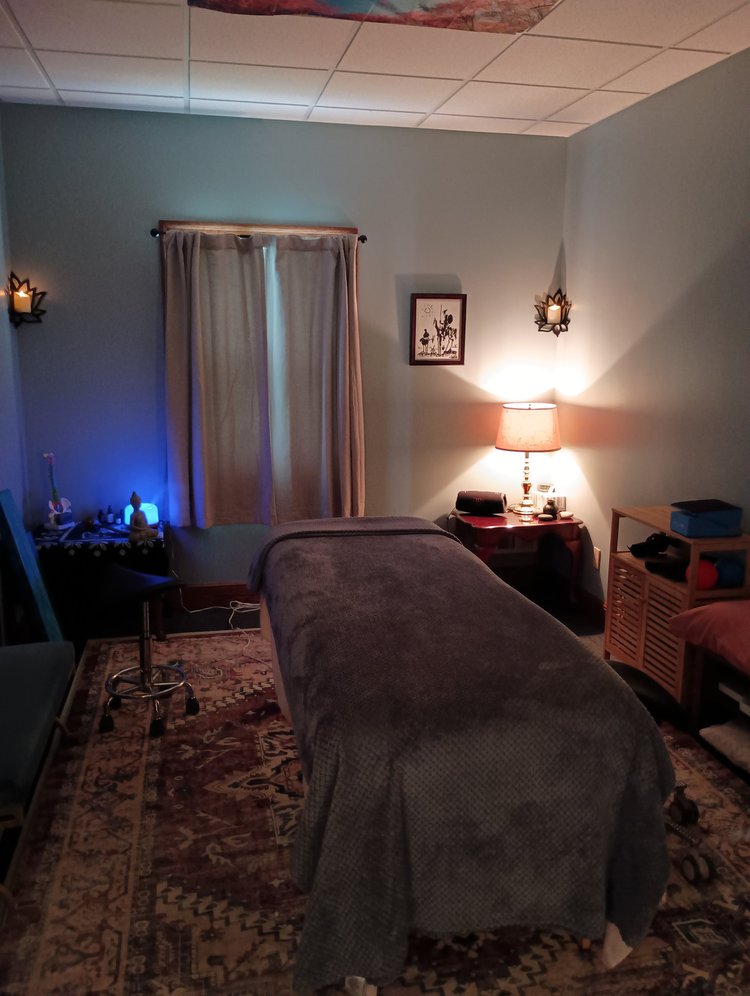
Safety remains the absolute top priority during any specialized Trauma Therapy Massage session today. Nervous systems locked in survival mode need complete reassurance before releasing tension. Therapists maintain steady contact without forcing sudden movements that provoke fear. Clients stay fully clothed while experiencing quiet, unhurried holds on tender areas. Breathwork naturally syncs with physical releases, calming racing thoughts. Trust grows steadily when practitioners listen closely to nonverbal feedback from tired muscles.

Releasing Emotional Blocks
Physical knots often hold onto old emotional burdens without our conscious awareness during busy weeks. When myofascial release for trauma happens, people sometimes experience unexpected emotional waves. Tears or deep sighs signal that the body is finally processing old pain safely. Skilled practitioners hold space securely without judgment or clinical detachment. Releasing these energetic blocks lightens posture and restores natural breathing capacity instantly. Freedom returns as the physical shell relaxes its lifelong armor.
Supporting Ongoing Healing
Lasting recovery requires gentle follow-up care after leaving the treatment room. Drinking plenty of pure water helps flush metabolic wastes out of relaxed tissues. Light stretching keeps connective fibers flexible between scheduled appointments. Clients often notice improved sleep quality and calmer daily reactions over time. Healing happens gradually rather than overnight, demanding patience and kindness toward oneself. Consistency reinforces new neural pathways that support long-term physical comfort and peace.
Choosing Qualified Practitioners
Finding the right professional makes all the difference in your personal recovery journey today. Certified specialists understand complex nervous system responses and subtle tissue restrictions very thoroughly. Always ask about specialized training in trauma therapy massage before booking your initial appointment. A qualified therapist creates a welcoming environment where you feel heard and respected completely. Professional guidance ensures your physical restoration proceeds safely without unnecessary setbacks or overwhelming daily stress.
Conclusion
Embracing gentle bodywork transforms how physical tension leaves the human body over time. Listening closely to somatic cues fosters deep emotional resilience against daily pressures. Explore professional support and book your session through wakingspace.org without delay today. Taking proactive steps toward nervous system regulation pays immense dividends across every aspect of daily life. Rediscover genuine physical ease, quiet confidence and lasting comfort by prioritizing your personal well-being right now.


Comments
Post a Comment